


When Trying to Control Anxiety Backfires: A Compassionate Approach to Mental Health
Updated: Mar 12
Anxiety, New Year Pressure, and Control
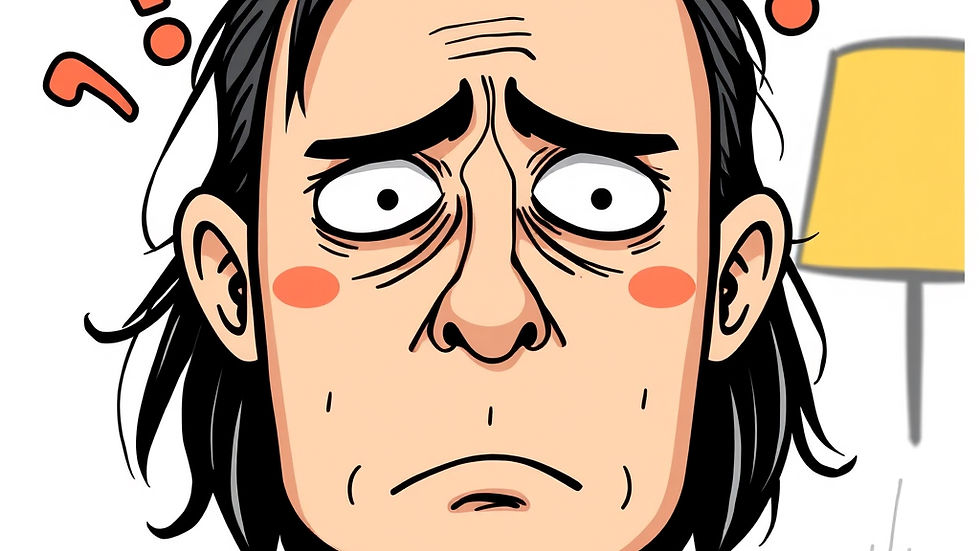
January carries a unique kind of pressure. The calendar resets, expectations rise, and many people quietly wonder if this will finally be the year when things feel more manageable. For some, this pressure manifests as motivation. For others, it appears as anxiety—racing thoughts, tension in the body, or a sense that something needs to be “fixed” immediately.
This situation can be confusing, especially when the outside message is about optimism and fresh starts. You might find yourself trying harder to feel calm, focused, or confident. This could involve monitoring your thoughts, avoiding situations that spark discomfort, or pushing yourself to “get it together.” Paradoxically, these efforts often amplify anxiety instead of quieting it.
If anxiety feels especially pronounced at the start of the year, remember that it’s not a personal failure or a lack of discipline. It’s often a sign that the nervous system is responding to uncertainty, change, and pressure in very human ways.
Why Controlling Anxiety Doesn’t Work the Way We Hope
Decades of psychological research suggest that anxiety isn’t maintained simply by the presence of worry or fear. Instead, it is influenced by how we respond to those experiences. When people treat anxiety as something that must be eliminated before life can continue, they often become trapped in a cycle of monitoring, avoidance, and reassurance-seeking.

Studies in anxiety disorders, including OCD, show that efforts to suppress thoughts or control internal sensations tend to increase their intensity and frequency over time. This phenomenon—sometimes called the “rebound effect”—has been observed in various experimental and clinical settings. The more we try not to think, feel, or notice something, the more our attention becomes focused on it.
Contemporary models of anxiety emphasize tolerance of uncertainty rather than seeking certainty. Anxiety is closely linked to how threatening uncertainty feels, not to actual danger. When the nervous system learns that discomfort can exist without immediate correction, anxiety gradually loses its grip.
Importantly, this doesn’t mean resignation or “giving up.” It means shifting from a control-based strategy (“I need to feel better first”) to a flexibility-based one (“I can make room for discomfort while staying engaged with life”). Over time, this shift is associated with reduced symptom severity and improved functioning across anxiety conditions.
One Practical Takeaway
This month, consider noticing how much energy you invest in trying to control how you feel. For one week, gently track moments when you think:
“I shouldn’t feel this way.”
“I need to calm down before I can do this.”
“Once this anxiety goes away, then I’ll move forward.”

You don’t need to change anything. Simply observe the pattern with curiosity rather than judgment.
At the same time, experiment with one small action each day that you’d normally postpone until anxiety improves. This could be sending an email, taking a walk, or having a conversation—while allowing some discomfort to accompany you.
This isn’t exposure therapy or treatment. It’s merely an observation: what happens when anxiety doesn’t dictate the timeline?
Who We Help
Our practice works with adults, adolescents, and families navigating anxiety disorders, OCD, depression, and stress-related difficulties. Many of the individuals we see are high-functioning, thoughtful, and exhausted from trying to manage their inner experiences through control, reassurance, or avoidance.
We provide evidence-based, integrative care, drawing from cognitive-behavioral approaches, acceptance-based therapies, and values-oriented work. Treatment is collaborative, paced, and tailored—especially for those who feel stuck despite years of “trying harder.”
If anxiety, uncertainty, or compulsive coping strategies are beginning to narrow your life—or the life of someone you refer—we’re happy to help clarify whether our approach may be a good fit.
Starting Without Self-Attack
The beginning of the year doesn’t require a complete reinvention. It doesn’t even require confidence. Sometimes, the most meaningful shift is letting go of the belief that discomfort signifies something has gone wrong.
Anxiety is not a verdict on your future or your strength. It’s a signal—often misinterpreted—that something uncertain matters to you. Learning to respond differently to that signal is a process, not a resolution. January can be a gentle place to begin that process.
Embracing Uncertainty
Understanding the Nature of Anxiety
Anxiety often arises from our response to uncertainty. It’s essential to recognize that feeling anxious is a natural human experience. Instead of fighting against it, we can learn to embrace it. This shift in perspective can lead to a healthier relationship with our emotions.
Building Resilience
Resilience is the ability to bounce back from challenges. By allowing ourselves to feel discomfort, we can build resilience over time. Each time we face anxiety without trying to control it, we strengthen our capacity to handle future uncertainties.
Seeking Support
If you find that anxiety is overwhelming, seeking support can be a valuable step. Talking to a mental health professional can provide guidance and strategies tailored to your needs. Remember, you don’t have to navigate this journey alone.
Practicing Mindfulness
Mindfulness practices can help ground us in the present moment. Techniques such as deep breathing, meditation, or yoga can reduce anxiety and promote a sense of calm. Incorporating these practices into your daily routine can make a significant difference.
Setting Realistic Goals
Instead of aiming for perfection, set realistic goals for yourself. Understand that it’s okay to have setbacks. Progress is not always linear, and that’s perfectly normal. Celebrate small victories along the way.
Conclusion: A New Year, A New Perspective
As January unfolds, take a moment to reflect on your relationship with anxiety. Embrace the uncertainty that comes with the new year. Remember, it’s not about eliminating anxiety but learning to coexist with it. By adopting a compassionate approach, you can navigate the challenges ahead with grace and resilience.
---wix---
Comments